 01
Nourishment, First
Explore / 01
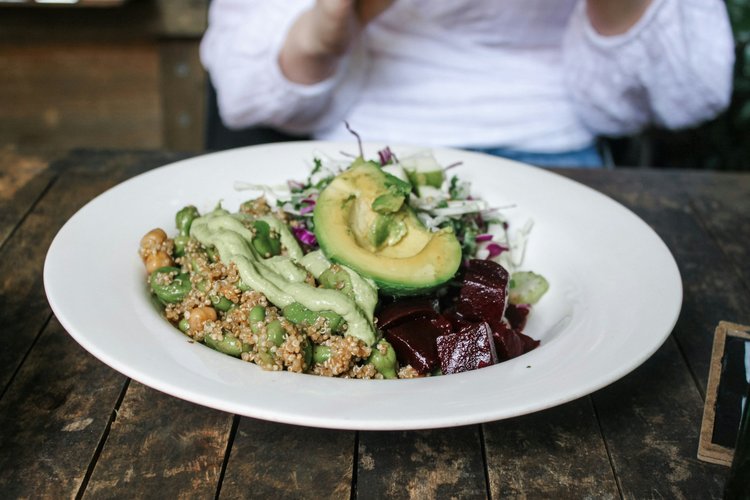
Build a meal that satisfies.
Enough food, a source of protein, colorful plants, fiber rich carbohydrates, and fats you enjoy. Bring nourishment into your everyday rhythm.
Satisfying meals. Food you love. A way of eating that fits your actual life. Explore nourishment in this chapter with Dr. Kristi Harter.
When the advice keeps changing and your body feels different, food can become one more thing to figure out. Explore a more nourishing relationship with your meals, your appetite, and your daily life with Dr. Kristi Harter.
One purchase. Lifetime access.Enrollment opening soon.
A practical conversation with Dr. Kristi Harter about meals, changing needs, intuitive eating, and the questions worth exploring.
01Enough food, a source of protein, colorful plants, fiber rich carbohydrates, and fats you enjoy. Bring nourishment into your everyday rhythm.
02
Explore hunger, fullness, satisfaction, and the beliefs that turn eating into another task. Gentle nutrition leaves room for real life.
03
Notice energy, digestion, sleep, and the way you feel. The ebook offers a food diary and a structured, optional elimination framework.
04Learn how history, selected labs, and seven support options can inform a more personal conversation. Start with what you need.

Keep the conversation going with your companion downloadable PDF. Read at your own pace, revisit the ideas, and bring your questions back to the teaching.
Lifetime access to this teaching and its companion guide is included. Existing members can access their materials in the member area.
Meet the founders Access your member guidesYou can shop an Edit without buying a class. The class gives you the fuller explanation of your changing body, starting with food, sleep, movement, and daily habits. Learn where botanicals, supplements, and functional tests may fit, with recorded lessons and a companion guide to revisit. So you understand the why behind your choices. Supplements and tests are purchased separately.
Like hanging out with your best friend who also happens to be a doctor. You’re learning, laughing, connecting the dots, and getting excited that you have options. We start with food, sleep, movement, and daily habits, then explore where herbs, supplements, and lab testing may fit. You get the whole conversation, with recorded lessons, your companion guide, and detailed product notes at the end of the class. Come back to it all at your own pace.
The main recorded lessons in this class run for about 32 minutes. Allow extra time for the companion guide and practices. It’s self paced, with lifetime access, so there’s no schedule to keep up with. Watch a little, put something into practice, and come back when you’re ready.
Whole Body Nutrition
You’re trying to eat well.
It shouldn’t feel this confusing.
The afternoon dip. The meals squeezed between everything else. The long list of foods you have been told to avoid. Let’s make room for a way of eating that feels satisfying, practical, and yours.
Begin with nourishment and your daily rhythm. Then explore patterns, purposeful testing, and support that answers a real need.

Nourishment, digestion, sleep, movement, and stress all deserve a place in the conversation before you add another bottle.
If meals keep slipping until you are exhausted and ravenous, begin with a rhythm you can maintain. Build satisfying meals with protein, plants, carbohydrates, and fat. Your appetite, activity, health, and preferences shape the amounts.
Choose a few reliable meals. Prepare vegetables, a protein, and a grain or other carbohydrate ahead when useful. Keep simple ingredients available for the evenings when cooking from scratch is asking too much.
Use the ebook’s food and symptom diary to look for patterns in digestion, energy, sleep, and stress. Note medicines, timing, and your menstrual or menopause context too. An association is a question to explore, not proof that a food caused a symptom.
You do not need to earn your food. Explore hunger, fullness, and satisfaction with kindness. Enjoy company, variety, and foods that fit your culture and life. Sustainable nourishment matters more than a perfect week.
The guide includes a preparation week, four scheduled elimination weeks, and a week that begins reintroduction. Five weekly shopping lists and menu grids, daily prompts, and 57 pages of recipes offer structure for the kitchen.
Notice your baseline, keep a five day food diary, plan meals, and prepare your kitchen. Decide with your clinician whether any food exclusion is appropriate.
The source begins its elimination phase. Focus on regular, satisfying meals and the practical changes needed to make the plan workable.
Meal preparation, social situations, self care, snacks, and continued observation. Adjust the practical plan without making food another source of shame.
Explore plant variety, protein, sleep, movement, hydration, and stress. These foundations also stand on their own without elimination.
The last scheduled elimination week. Review patterns and plan an individual reintroduction process with appropriate support.
The source starts bringing foods back one at a time while observing symptoms. Completing reintroduction may take longer than six weeks; the goal is a varied, adequate diet.
Vegetable soups. Colorful salads. Beans, eggs, fish, and simple prepared meals. Borrow the recipe ideas and planning tools that fit your life. The menu is plant forward and includes animal foods.
Any restriction should preserve adequate energy and nutrients. Pregnancy, a history of disordered eating, underweight, diabetes medicines, or complex illness call for individualized guidance before a restrictive plan.
The ebook contains conflicting challenge intervals and some recipes that include foods its elimination list excludes. Arrange a clear, personalized plan before beginning. Home reintroduction is not a food allergy test. Celiac testing should be considered before removing gluten when clinically indicated. The original ebook remains unchanged.
Understand supervised food challengesThe complete selection from Whole Body Nutrition. Understand each option, review overlap, and decide what earns a place in your own plan.
Explore the Nutrition collection in the Rhea dispensary.
Shop the Nutrition EditThe directions shown in each detail panel describe the supplied selection, not a personalized prescription. Confirm the current label, dose, duration, medicines, and suitability with your clinician.
Start with your dietary history, symptoms, medicines, and existing results. Select testing that could change your next step. There is no universal “optimal” lab panel for nutrition or longevity.
You put thought into what’s on your plate. It makes sense to want a clearer picture of nourishment, too. This edit offers a specialized cellular nutrient assessment to discuss alongside your food habits, health history, and appropriate standard nutrient blood tests. Use the conversation to guide purposeful choices about food and supplementation.
Micronutrients are the vitamins, minerals, and other nutrients your body needs in small amounts. SpectraCell’s test looks at how your white blood cells grow under different nutrient conditions in the lab. It is a different approach from directly measuring each vitamin in your blood, and belongs alongside your eating patterns and appropriate standard nutrient tests.
Yes, I want to order my testBegin with nourishment, sleep, movement, and your health history. Choose testing with a clear purpose. Current pricing, collection instructions, and ordering eligibility are shown on Fullscript. Labs are purchased separately from the teachings.
CBC, ferritin and iron studies, or B12 can be considered when your history suggests a need. Methylmalonic acid may help clarify a borderline B12 result. Vitamin D testing is selected for relevant risk or clinical circumstances. Interpret results and trends together.
Glucose, HbA1c, lipids, blood pressure, and your clinical history can inform prevention. A craving or an afternoon dip alone does not establish insulin resistance. Build a plan around measured risk and the habits you can sustain.
Persistent diarrhea, pain, or other digestive changes may call for selected stool tests or celiac evaluation. Broad microbiome and micronutrient panels are not automatic requirements; understand the test’s validation and what an abnormal result would change.
Food allergy, celiac disease, lactose intolerance, and other digestive conditions need different approaches. IgG food panels do not reliably diagnose allergy or food intolerance. A symptom diary helps frame questions; it does not replace diagnosis.

Before your next meal, pause long enough to notice what you need. More food? Something satisfying? A place to sit? A break from the screen?
Choose one practical change for the week. Make breakfast easier. Pack a lunch you look forward to. Keep ingredients for a reliable dinner. Let consistency grow from care.
Explore Digestion Explore HormonesNo. Meal planning, recipes, food variety, and reflective exercises can be useful on their own. The ebook’s broad exclusions are not necessary for everyone, and a food is not inherently harmful because it appears on that list. Choose any elimination around a specific question, with a plan to restore variety.
Its structured phase removes grains, dairy, nightshades, corn, soy, peanuts, alcohol, and added sugar, with specified exceptions. Eggs, other nuts, legumes, meat, fish, fruit, and many vegetables remain. The original has conflicting timing and ingredient instructions, so use an individually clarified plan rather than treating every recipe as compliant.
No. Hives, swelling, breathing symptoms, or a known food allergy need an allergy assessment. Do not try a home food challenge for a suspected allergen. If celiac disease is a possibility, arrange testing before removing gluten.
No. This is a collection of options, not a seven product daily requirement. The teaching focuses on B vitamins, glutathione, and glutamine; the supplied dispensary selection adds a multivitamin, liver blend, fish oil, and D3/K2. Review overlap, the reason for each choice, and a reassessment point.
Naturally occurring B12 comes from animal foods. Some cereals, plant milks, and nutritional yeasts are fortified; check the label. Spinach, beets, squash, and potatoes are not reliable natural sources. People eating a vegan diet need a dependable fortified food or supplement source.
The page focuses on nourishment, food confidence, and identifying meaningful next steps. It does not promise weight loss, toxin removal, an immune reset, or a cure for fatigue or digestive symptoms. Persistent symptoms deserve investigation beyond dietary experimentation.
Prepared from the complete 188 page Nutrition Elimination Diet ebook, the 14 page Nutrition teaching guide, and the three page Whole Body Nutrition selection. The original files and course access are unchanged.
Educational information, not an individual treatment plan. Labs and products are purchased separately. Purchases through the dispensary may support Rhea Teachings.